Uganda Safari Essentials & Packing Guide

Uganda Safari Essentials & Packing Guide

Planning your trip and wondering what to pack for a Uganda safari? This detailed packing guide helps you prepare for gorilla trekking, wildlife viewing, and cultural tours across Uganda. From lightweight clothing and waterproof boots to travel documents, insect repellent, and essential gear, this overview highlights everything you need for a safe, comfortable, and enjoyable safari experience. Whether you’re exploring Bwindi, Queen Elizabeth, or Murchison Falls, this guide ensures you pack smart and travel confidently.

1. Essential Safari Clothing

✓ Lightweight Long-Sleeved Shirts

These protect your arms from insects, sunburn, and thorny bushes during forest walks. They also help regulate heat and keep you cool in warm weather. Neutral colours don’t attract bugs.

✓ Quick-Dry Safari Trousers

They dry fast after rain and are perfect for humid environments. They also protect your legs from stinging plants and insects. Convertible trousers can switch from long to short.

✓ Neutral-Coloured T-Shirts

Colours like khaki, olive, and grey blend into the environment, making wildlife less startled. Bright colours attract insects and can affect animal behavior.

✓ Warm Fleece or Sweater

Nights and mornings in Uganda’s highlands, like Bwindi or Kibale, are cold. A warm layer keeps you comfortable during early game drives and treks.

✓ Waterproof Rain Jacket

Uganda’s tropical climate means rain can fall anytime, especially in forests. A good jacket keeps you dry, warm, and protected during gorilla trekking.

✓ Comfortable Hiking Boots

Sturdy boots with ankle support prevent slips on muddy or steep ground. They also protect your feet from roots, rocks, and insects.

✓ Sandals or Lightweight Shoes

Ideal for relaxing at the lodge after a long day of trekking. They allow your feet to breathe and rest.

✓ Hat or Cap

A wide-brim hat protects your neck and face from the strong equatorial sun. This reduces dehydration and sunburn during game drives.

✓ Gloves (Especially for Trekking)

Useful when holding onto branches, vines, and wet surfaces. They prevent cuts and help with grip on slippery ground.


2. What to Pack for Gorilla Trekking

✓ Gardening Gloves

They protect your hands when grabbing vegetation for support. They also prevent scratches from thorns and stinging nettles.

✓ Waterproof Hiking Boots

The rainforest floor is muddy and uneven. Waterproof boots keep your feet dry and offer better grip, helping you trek comfortably for hours.

✓ Long Trekking Trousers

Essential for avoiding insect bites and scratches from bushes. They also shield your legs from muddy splashes.

✓ Gaiters or Long Socks

Safari ants can climb your legs quickly; gaiters help prevent this. They also keep mud and stones out of your boots.

✓ Waterproof Backpack (20–30L)

Carries your water, camera, snacks, documents, and rain gear. Waterproof material protects your items from sudden rain.

✓ Poncho or Rain Jacket

Sudden rain showers are common in gorilla habitats. A poncho keeps your entire body and backpack dry.

✓ Energy Snacks & Water Bottle

Trekking can take 2–6 hours depending on gorilla movement. Snacks help maintain energy, and water keeps you hydrated.

✓ Small First Aid Kit

Useful for handling minor injuries, blisters, or headaches. Essential when trekking in remote forest areas.

✓ Walking Stick

Helps with balance on steep or muddy terrain. Rangers often provide them, but you may bring your own for extra comfort.


3. Personal Travel Documents

✓ Uganda Visa

Required for most international visitors. You can apply online before arrival to avoid delays.

✓ Passport

Must be valid for at least 6 months beyond travel dates. Keep it in a waterproof pouch during outdoor activities.

✓ Gorilla & Chimp Permits

These secure your trekking spots in Bwindi/Kibale. You cannot trek without them, so keep them safe.

✓ Yellow Fever Vaccination Card

This is mandatory for entry into Uganda. Immigration officers will ask for it upon arrival.

✓ Travel Insurance

Important for medical emergencies, evacuation, or lost luggage. Trekking involves physical activity, so coverage is essential.

✓ Copies of All Documents

In case originals get lost, having digital or printed copies speeds up replacement.


4. Toiletries & Personal Care

✓ Sunscreen (SPF 30+)

The equatorial sun is intense even on cloudy days. Sunscreen prevents sunburn and dehydration.

✓ Biodegradable Soap & Shampoo

Eco-friendly products help protect Uganda’s natural ecosystems. Many lodges encourage using such products.

✓ Insect Repellent

Helps protect you from mosquitoes and other biting insects. DEET or Picaridin-based repellents work best.

✓ Wet Wipes & Tissues

Useful for freshening up during long drives or hikes. Some parks have limited bathroom facilities.

✓ Hand Sanitizer

Keeps your hands clean when water isn’t available. Ideal for picnics or roadside stops.

✓ Lip Balm with SPF

Prevents dry, cracked lips caused by sun and altitude.


5. Health & First Aid Items

✓ Anti-Malarial Tablets

Uganda is a malaria-prone area, so preventive medication is strongly recommended. Combine with repellent and mosquito nets.

✓ Prescription Medicines

Bring enough for your entire trip, as pharmacies may not have specific brands. Keep them in original packaging.

✓ Painkillers

Useful for body aches from long travel days or trekking. Ibuprofen or paracetamol works best.

✓ Anti-Diarrheal Medication

Good for sudden stomach upsets due to new foods or water changes. Helps you stay comfortable during travel.

✓ Rehydration Salts

Trekking and sunshine can cause dehydration. These salts restore lost minerals quickly.

✓ Band-Aids & Blister Pads

Prevent discomfort during hikes. Especially helpful if boots are new or terrain is rough.

✓ Motion Sickness Tablets

Some roads to national parks are winding and bumpy. Tablets help you enjoy the journey without discomfort.


6. Safari Electronics

✓ Camera

Captures memorable moments from your safari. Wildlife encounters can be quick, so a reliable camera helps.

✓ Extra Batteries

Some lodges have limited electricity hours. Extra batteries ensure you never miss a shot.

✓ Memory Cards

Wildlife photography uses a lot of storage. Carry multiple cards to avoid running out of space.

✓ Binoculars

Helpful for spotting animals and birds in distant areas. A 10×42 pair is ideal for safaris.

✓ Power Bank

Useful for charging devices during long days away from the lodge. Essential if you take many photos.

✓ Universal Adapter

Uganda uses UK-style plugs (Type G). A universal adapter ensures all your devices charge easily.

✓ Headlamp or Flashlight

Some lodges dim lights at night. A headlamp is great for walking to your room safely.


7. Photography Gear (Optional)

✓ Telephoto Lens (100–400mm)

Perfect for capturing distant wildlife clearly. It brings animals closer without disturbing them.

✓ Wide-Angle Lens

Ideal for landscapes, crater lakes, and close-up lodge photography. Makes scenery look more dramatic.

✓ Lens Cleaning Kit

Safari environments can be dusty or humid. A kit keeps your photos clear and your gear protected.

✓ Waterproof Lens Cover

Essential for gorilla trekking where rain is common. Keeps expensive gear safe from water damage.

✓ Photography Bean Bag

Helps stabilize your camera inside the safari vehicle. More convenient than a tripod on game drives.


8. Optional Useful Items

✓ Safari Duffel Bag

Lightweight, flexible, and airline-friendly. Easier to pack into safari vehicles than hard suitcases.

✓ Waterproof Phone Pouch

Protects your phone during boat rides and rainy treks. Also helps during muddy hikes.

✓ Travel Pillow

Adds comfort during long drives to national parks. Helpful for early morning transfers.

✓ Notebook & Pen

Great for recording wildlife sightings or journaling your trip. Also useful for noting local phrases or cultural information.

✓ Reusable Shopping Bag

Useful for carrying snacks, souvenirs, or wet clothing. Environmentally friendly and practical.

✓ Small Binoculars for Kids

Makes safaris enjoyable for children. Helps them stay engaged during game drives.

✓ Safari Guidebook

Helps identify birds, mammals, and plants along your safari. Enhances your overall experience.


9. What NOT to Pack

✗ Bright-Coloured Clothes

These attract insects and can scare wildlife. Neutral colours work best for nature.

✗ Plastic Bags

Banned in Uganda for environmental protection. Use reusable bags instead.

✗ Heavy Luggage

Safaris often involve limited vehicle space. Lightweight packing makes travel smoother.

✗ Drones

Require special permissions from UWA and are restricted in most parks. Bringing one without clearance may lead to confiscation.


10. Additional Safari Tips

✓ Break in Your Hiking Boots Before Travel

This prevents painful blisters during trekking. Wear them for several days before your trip.

✓ Pack in Layers

Uganda’s temperatures vary between warm plains and cool forests. Layering keeps you comfortable in all regions.

✓ Carry Cash (USD & UGX)

Useful for tips, shopping, and small local payments. Some rural areas don’t accept cards.

✓ Keep Valuables in Your Carry-On

Ensures safety if checked luggage is delayed or lost. Especially important for cameras and documents.

Reach us out on Email: info@gorillaspecilaist.org
www.gorillaspecialist.org

Mount Rwenzori Hiking Routes Peaks, and Trekking Circuits

Discover Mount Rwenzori: The Mountains of the Moon

Known as the “Mountains of the Moon”Mount Rwenzori is one of Africa’s most mystical and breathtaking mountain ranges. Straddling the border between Uganda and the Democratic Republic of Congo, this UNESCO World Heritage Site offers an unforgettable trekking experience through lush montane forests, glacier-carved valleys, and snow-capped peaks.


Where is Mount Rwenzori?

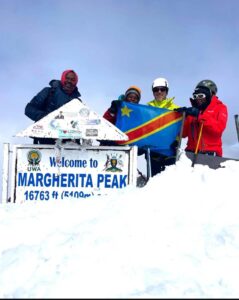
Mount Rwenzori lies in western Uganda, within the Rwenzori Mountains National Park, and is home to the third-highest peak in AfricaMargherita Peak (5,109 meters), found on Mount Stanley.


 Trekking Circuits in the Rwenzori Mountains

There are several trekking circuits in the Rwenzoris, each offering unique landscapes, ecosystems, and challenges. Here are the most popular ones:

1. Central Circuit Trail (7–9 days)

This is the main and most popular route, operated by the Rwenzori Mountaineering Services (RMS). It offers a full loop trail that takes you deep into the heart of the mountain range and up to Margherita Peak.

  • Starting Point: Nyakalengija (RMS headquarters)

  • Highlights: Bujuku Valley, Elena Hut, Margherita Peak, unique vegetation (giant lobelias & groundsels)

  • Difficulty: Challenging (steep, wet, and cold)

Notable Camps:

  • Nyabitaba Hut

  • John Matte Hut

  • Bujuku Hut

  • Elena Hut (base camp for summit)

  • Kitandara & Guy Yeoman Huts


2. Kilembe Trail (5–10 days)


Operated by Rwenzori Trekking Services (RTS), the Kilembe Trail is a southern approach to the Rwenzoris. It is less crowded than the Central Circuit and known for its stunning scenery and better maintained trails.

  • Starting Point: Kilembe (near Kasese)

  • Highlights: Mutinda Lookout, Weismann’s Peak, Magherita Peak, glacial lakes

  • Comfort: Better huts and facilities

  • Route Options: Shorter treks (3–5 days) or full summit circuit (9–10 days)


3. Bukurungu Trail (New Route)


This is a newly developed routeoffering an alternative to the crowded trails and focusing more on scenic views, cultural experiences, and less intense trekking. Ideal for trekkers not aiming for the summit but still wanting to explore the beauty of the Rwenzoris.

  • Starting Point: Eastern Rwenzori (Bukurungu area)

  • Focus: Community tourism, nature walks, and lower-altitude trekking


 Unique Features of the Rwenzori Mountains

  • Glaciers on the Equator – One of the few places in Africa with permanent glaciers

  • Endemic Flora – Home to Afro-alpine vegetation found nowhere else in the world

  • Wildlife – Colobus monkeys, chameleons, Rwenzori turacos, and more

  • Scenic Valleys – Glacial lakes, hanging valleys, and surreal moss-covered forests


What to Pack for a Rwenzori Trek

  • Waterproof gear (jacket, boots)

  • Warm clothing (thermal layers, gloves, hat)

  • Sleeping bag (rated for cold weather)

  • Trekking poles

  • High-energy snacks

  • Camera!


 Best Time to Trek Mount Rwenzori


 Why Choose the Rwenzoris?

Unlike Kilimanjaro or Mount Kenya, the Rwenzoris are less commercializedmore biodiverse, and offer true wilderness adventure. The terrain is tougher, but the reward is one of the most dramatic and untouched landscapes in Africa.


🧭 Planning Your Trip?

Need help planning your Rwenzori trek? Reach out to Gorilla specialist safaris we  specialize in sustainable mountaineering tours in Uganda. Whether you’re aiming for the summit or simply want to soak in the alpine beauty, Mount Rwenzori offers an adventure like no other.

Book Your Rwenzori Trek with Gorilla Specialist Safaris

Trekking the Rwenzoris is a logistical challenge — but that’s where Gorilla Specialist Safaris comes in.

We offer:

  • Expert itinerary planning

  • Knowledgeable local guides

  • All logistics handled (permits, gear, meals, porters)

  • Airport pickups & transfers

  • Safe, sustainable tourism

Whether you’re aiming for the summit of Margherita Peak or exploring the lower scenic trails, Gorilla Specialist Safaris ensures a hassle-free, personalized trekking experience.


  • Ready  for the Climb of a Lifetime?

Contact Gorilla Specialist Safaris today to start planning your unforgettable adventure in the Rwenzori Mountains!

📧 info@gorillaspecialist.org
📱 +256758079475
🌐www.gorillaspecialist.org

🔖 Don’t Forget to Follow and Tag Us!

Show us your Rwenzori journey!

#RwenzoriMountains
#TrekRwenzori
#MountainsOfTheMoon
#UgandaTrekking
#GoprillaSpecialistSafaris
#RwenzoriTrekking
#VisitUganda
#RwenzoriAdventure
#MargheritaPeak
#HikeAfrica
#SustainableTravel
#ExploreUganda

Why Uganda Should Be Your Top Choice for Gorilla Trekking

Why Uganda Should Be Your Top Choice for Gorilla Trekking  
Mountain gorilla trekking is a once-in-a-lifetime experience, and Uganda stands out as a premier destination for this unforgettable adventure. With its lush landscapes, thriving gorilla populations, and unmatched affordability, Uganda offers a unique blend of wildlife encounters and cultural richness. Here’s why you should choose Uganda for your gorilla trekking journey—and how [Gorilla Specialist](http://www.gorillaspecialist.org) can make it happen.
1. Pristine Habitats & High Success Rates
Uganda is home to Bwindi Impenetrable National Park, a UNESCO World Heritage Site sheltering nearly half of the world’s endangered mountain gorillas. With over 20 habituated gorilla families, trekkers enjoy a 98% success rate in sightings. Neighboring Mgahinga Gorilla National Park adds to this allure, offering dramatic volcanic landscapes and the rare chance to track the Nyakagezi gorilla group. Uganda’s dense forests provide an immersive, off-the-beaten-path experience compared to busier destinations.
2. Affordable Gorilla Permits
At $800 per permit (vs. Rwanda’s $1,500), Uganda delivers exceptional value. This cost includes expert guides, park fees, and a life-changing hour with gorillas. Budget-conscious travelers can allocate savings to explore Uganda’s other highlights, like chimpanzee trekking in Kibale Forest or savanna safaris in Queen Elizabeth National Park.
3. Beyond Gorillas: Biodiversity & Culture
Uganda’s “Pearl of Africa” nickname is well-earned. After gorilla trekking, embark on:
– Wildlife Safaris: Spot tree-climbing lions, elephants, and hippos.
– Chimpanzee Tracking: Kibale Forest hosts 13 primate species.
– C-ultural Encounters: Engage with the Batwa people, original forest d-wellers, or visit local communities to learn traditional practices.
4. Conservation & Community Impact
Your visit directly supports conservation. Permit fees fund anti-poaching patrols, habitat restoration, and community projects like schools and clinics. By trekking in Uganda, you’re safeguarding gorillas and empowering local livelihoods.
5. Safe, Accessible, and Welcoming
Uganda is politically stable, with English widely spoken and a reputation for warm hospitality. Entebbe International Airport offers easy access, and domestic flights/road transfers connect you to parks efficiently. Experienced guides ensure treks are safe and tailored to your fitness level.
Plan Your Adventure with Gorilla Specialist
Ready to embark on this transformative journey? Gorilla Specialist crafts personalized itineraries, ensuring seamless logistics and ethical tourism practices. Visit our website [www.gorillaspecialist.org](http://www.gorillaspecialist.org) to explore packages, or email us at [info@gorillaspecialist.org](mailto:info@gorillaspecialist.org) to start planning.
Uganda’s gorillas are waiting—answer the call of the wild with a trek that benefits both nature and communities. Let us guide you to the heart of Africa’s untamed beauty. 🌍🦍
Contact Gorilla Specialist today and make your gorilla trekking dream a r

Why Choose Gorilla Specialist for Your Gorilla Trip in Uganda

Why Choose Gorilla Specialist for Your Gorilla Trip in Uganda, Rwanda, and Congo?

When it comes to planning an unforgettable gorilla trekking experience, choosing the right tour operator is crucial. At Gorilla Specialist, we pride ourselves on providing exceptional service and unique experiences across Uganda, Rwanda, and Congo. Here are several reasons why you should choose us for your gorilla adventure:

1. Expertise and Experience

  • Local Knowledge: Our team consists of experienced guides who are well-versed in the habitats and behaviors of mountain gorillas. They provide insightful information and ensure your safety throughout the trek.
  • Years of Operation: With years of experience in the industry, we have established strong relationships with local communities and conservation organizations, enhancing your overall experience.

2. Customized Itineraries

  • Tailored Experiences: We understand that every traveler is unique. That’s why we offer customized itineraries to suit your interests, budget, and schedule, whether you’re trekking in Uganda, Rwanda, or Congo.
  • Flexible Options: Choose from various packages, including short treks, multi-day adventures, and combined tours that explore other attractions in the region.

3. Commitment to Conservation

  • Sustainable Tourism: We are dedicated to promoting responsible tourism practices that benefit local communities and protect gorilla habitats. A portion of our profits supports conservation initiatives.
  • Community Engagement: By choosing us, you contribute to local economies and conservation efforts, ensuring that gorilla populations are preserved for future generations.

4. Comprehensive Services

  • All-Inclusive Packages: We offer comprehensive packages that include permits, accommodations, meals, and transportation, making your trip hassle-free.
  • 24/7 Support: Our dedicated team is available around the clock to assist you with any inquiries or concerns before, during, and after your trip.

5. Positive Customer Reviews

  • Satisfied Travelers: We take pride in our positive reviews and testimonials from past clients who have experienced the magic of gorilla trekking with us. Their feedback reflects our commitment to excellence.
  • Word of Mouth: Many of our clients refer their friends and family, which speaks volumes about the quality of our services.

6. Safety First

  • Health Protocols: We prioritize your safety by adhering to health guidelines and protocols during your trip, ensuring a safe and enjoyable experience.
  • Experienced Guides: Our guides are trained in first aid and emergency response, providing peace of mind while you explore the wilderness.

Conclusion

Choosing Gorilla Specialist for your gorilla trekking adventure in Uganda, Rwanda, and Congo guarantees a memorable and enriching experience. With our expertise, commitment to conservation, and dedication to customer satisfaction, you can trust us to make your dream trip a reality.

Contact Us

Ready to embark on your gorilla trekking adventure? Visit our website for more information and to book your trip:

Websitewww.gorillaspecialist.org
Emailinfo@gorillaspecialist.org
Phone: +256 758079475
Address: Gorilla Specialist, Kampala, Uganda

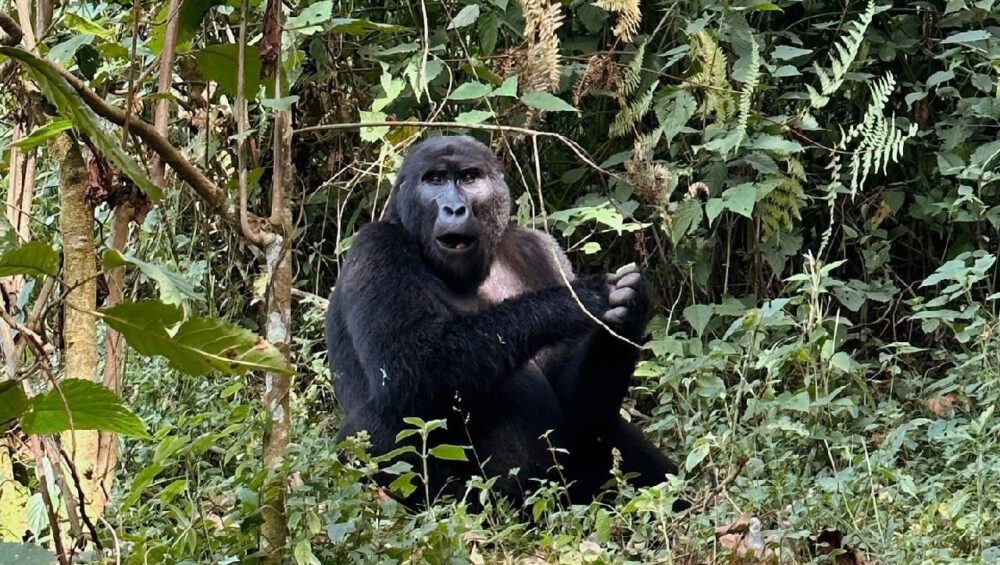
Gorilla trekking experience in Uganda Buhoma sector of Bwindi with Gorilla specialist.

Explore the Wild in Style with Our Safari Cars!

Explore the Wild in Style with Our Safari Cars!
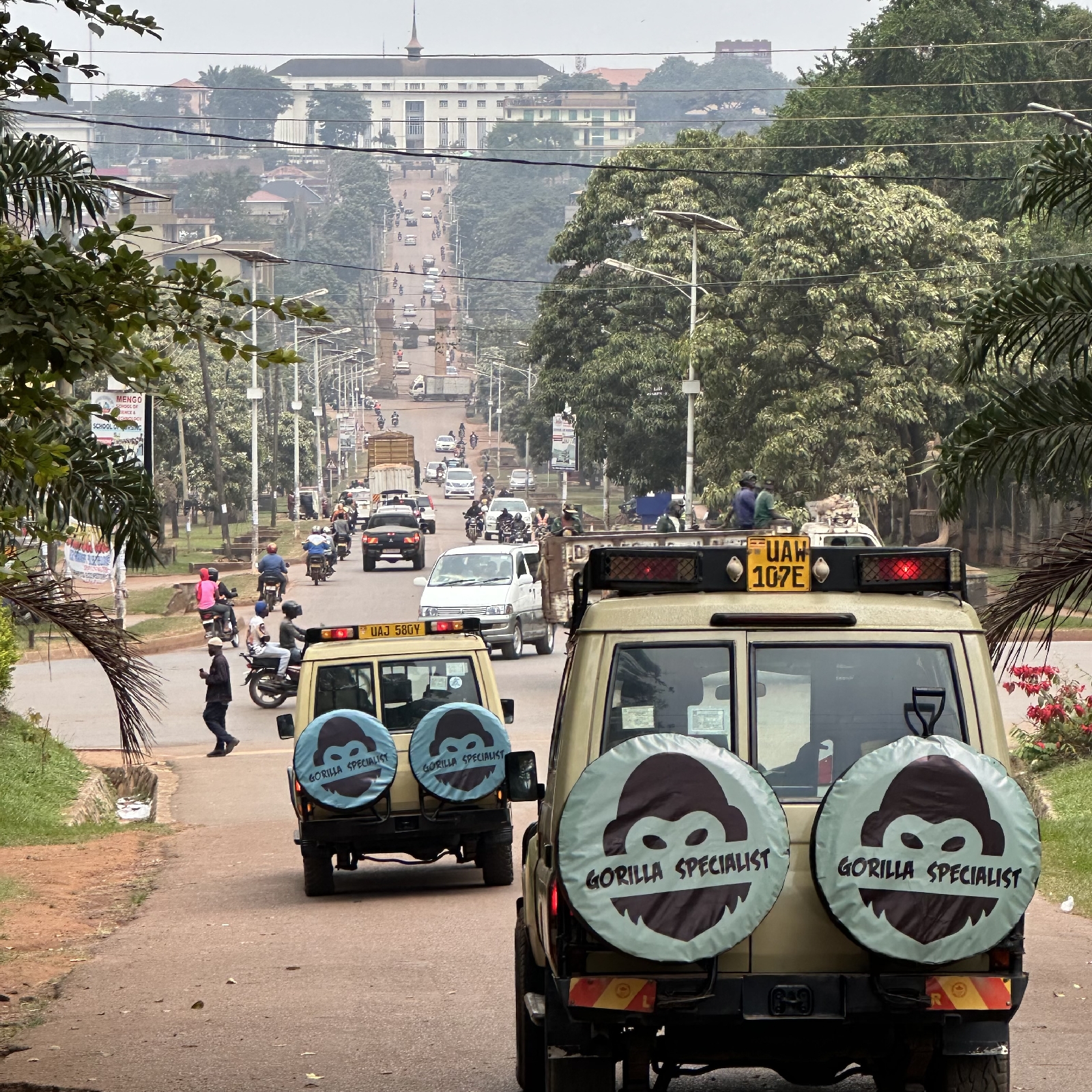
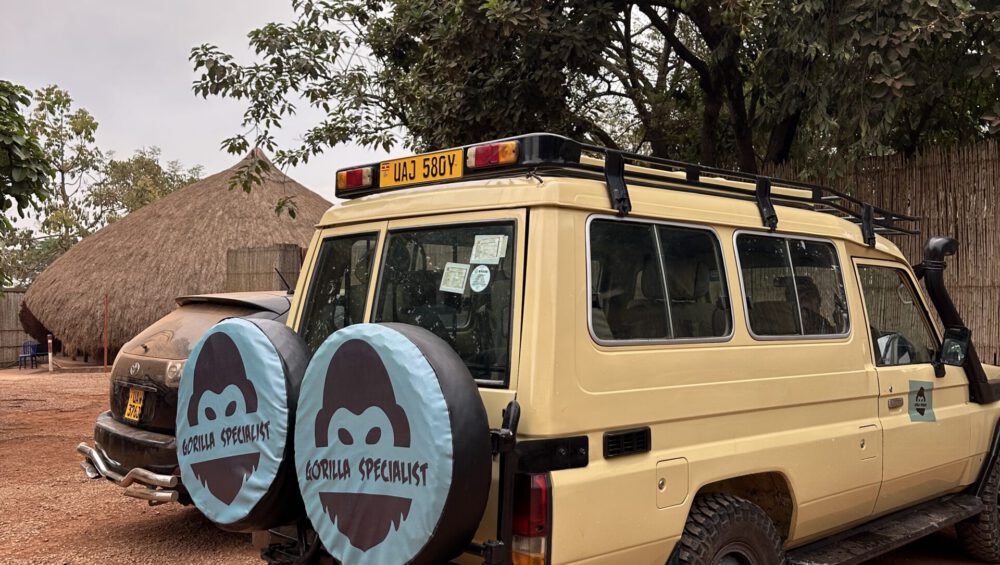
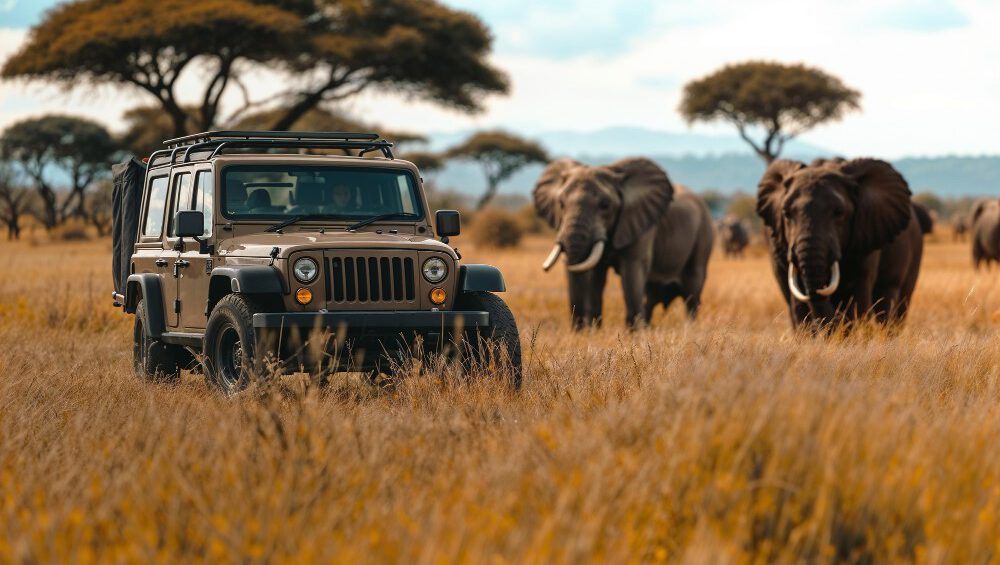
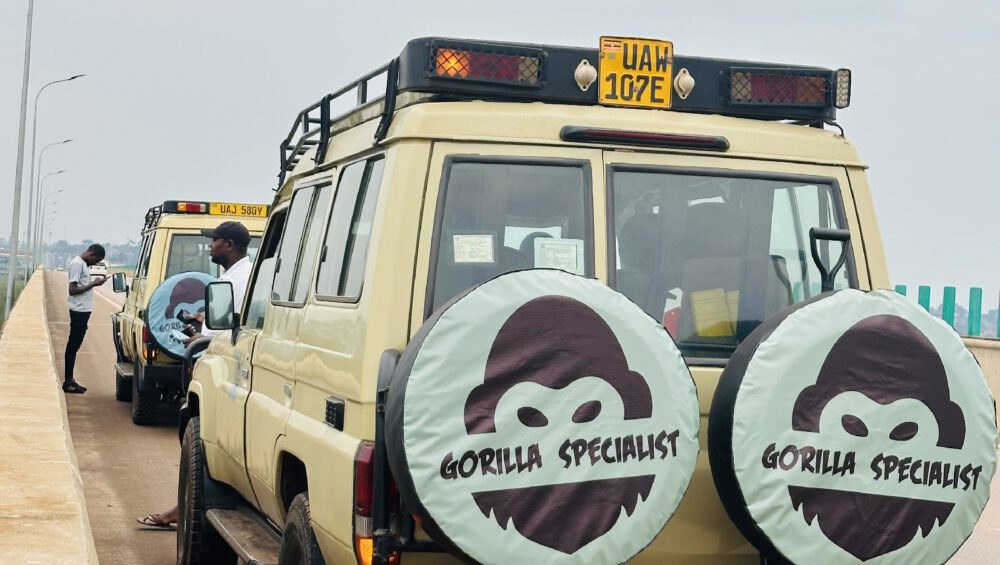
When it comes to experiencing the untamed beauty of the wilderness, the journey is just as important as the destination. At Gorilla Specialist, we ensure your adventure is seamless, comfortable, and unforgettable with our top-notch safari vehicles. As you can see in the picture, our safari cars are designed to take you deep into the heart of nature while keeping you safe and comfortable.
Why Choose Our Safari Cars?
1. Built for Adventure: Our rugged 4×4 vehicles are specially designed to handle the toughest terrains, from muddy trails to rocky paths. Whether you’re tracking gorillas in the dense forests or exploring the vast savannahs, our cars are up for the challenge.
2. Comfort Meets Nature: We understand that a safari can be demanding, so we’ve equipped our vehicles with comfortable seating, ample legroom, and large windows to ensure you don’t miss a single moment of the breathtaking views.
3. Expert Guides at the Wheel: Our experienced drivers know the terrain like the back of their hand. They’ll navigate you safely through the wild while sharing fascinating insights about the wildlife and landscapes.
4. Eco-Friendly Travel: We’re committed to preserving the beauty of the destinations we explore. Our safari cars are maintained to minimize environmental impact, ensuring that we leave only footprints behind.
Your Adventure Awaits!
 
At Gorilla Specialist, we believe that every safari should be an extraordinary experience. Our safari cars are just one part of our commitment to making your journey unforgettable. Ready to embark on the adventure of a lifetime? Visit our website at [www.gorillaspecialist.org](http://www.gorillaspecialist.org) to book your safari today!
Let’s explore the wild together—in style, comfort, and with a touch of adventure! 🌍✨

IS UGANDA SAFE FOR TRAVELLERS?

Dear Clients,

We are pleased to inform you that Uganda is a very safe destination for travelers from all corners of the world. With its welcoming culture, stunning landscapes, and diverse wildlife, Uganda offers a unique and enriching experience for all visitors.

Whether you’re exploring the beautiful national parks, engaging with local communities, or enjoying the vibrant city life, you can travel with peace of mind knowing that safety is a priority.

We look forward to welcoming you to Uganda!

Best regards,

Birding in Kibale National Park, Uganda: A Birdwatcher’s Paradise

Birding in Kibale National Park, Uganda: A Birdwatcher’s Paradise

Kibale National Park, often referred to as the “Primate Capital of the World,” is not just famous for its diverse primate species; it is also a haven for bird enthusiasts. Nestled in the western part of Uganda, this lush tropical rainforest boasts an impressive array of over 350 bird species, making it one of the top birding destinations in Africa.

The Rich Biodiversity of Kibale

Kibale’s unique ecosystem is characterized by a mix of tropical rainforests, grasslands, and swampy areas, providing varied habitats that attract a wide range of bird species. Among the notable birds that can be spotted here are the Great Blue Turaco, African Grey Parrot, and the Green-breasted Pitta. The park is also home to several endemic species, making it a must-visit for avid birdwatchers.

Best Time for Birding

The best time to visit Kibale for birding is during the wet season, from March to May and September to November. During these months, migratory birds arrive, and the lush greenery makes spotting birds easier. The early morning hours are particularly productive, as many birds are most active at dawn.

Birding Trails in Kibale

Kibale National Park offers several well-maintained birding trails that cater to both novice and experienced birdwatchers. Some popular trails include:

  1. Kibale Forest Trail: This trail winds through the dense forest and offers excellent opportunities to spot various bird species, including the elusive Green-breasted Pitta.

  2. Bigodi Wetland Sanctuary: Located just outside the park, this sanctuary is a fantastic spot for birding, especially for water birds and swamp species. The boardwalks allow for easy access without disturbing the wildlife.

  3. Kanyanchu River Trail: This trail follows the river and provides a chance to see birds that inhabit riparian zones, such as kingfishers and herons.

Tips for Birdwatching in Kibale

  • Bring Binoculars: A good pair of binoculars is essential for birdwatching. Look for lightweight options with good magnification.

  • Dress Appropriately: Wear comfortable, neutral-colored clothing to blend in with the environment. Waterproof shoes are also recommended, especially during the wet season.

  • Hire a Guide: Consider hiring a local guide who knows the park well. They can help you spot birds and provide valuable information about the species and their behaviors.

  • Be Patient and Quiet: Birdwatching requires patience. Move slowly and quietly to avoid startling the birds.

Conclusion

Birding in Kibale National Park is an unforgettable experience that offers a glimpse into the rich avian diversity of Uganda. Whether you’re a seasoned birdwatcher or a curious traveler, Kibale’s enchanting forests and vibrant birdlife will leave you with lasting memories. Plan your visit today and immerse yourself in the beauty of nature!

Planning Your Gorilla Safari

Here’s a step-by-step guide for organizing a seamless gorilla trekking adventure in Uganda, Rwanda, or Congo:

Step 1: Choose Your Destination
• Uganda:
• Best for: Budget-friendly treks with a variety of other wildlife and cultural experiences.
• Permit Cost: $800 per person.
• Travel Season: June to September and December to February for the dry seasons.
• Parks: Bwindi Impenetrable National Park, Mgahinga Gorilla National Park.
• Rwanda:
• Best for: Luxury experiences and ease of travel (Volcanoes National Park is close to Kigali).
• Permit Cost: $1,500 per person.
• Travel Season: Year-round, but dry seasons (June-September, December-February) are ideal.
• Congo:
• Best for: Adventure seekers and combining gorilla trekking with volcano hiking.
• Permit Cost: $400 per person.
• Travel Season: Dry seasons from June to September and December to February.
• Parks: Virunga National Park, Kahuzi-Biega National Park.

Step 2: Obtain Permits
• Gorilla trekking permits are limited, so booking well in advance (at least 3-6 months) is essential.
• Travel agents or safari companies often secure permits as part of the package.

Step 3: Choose Accommodations
• Luxury Lodges: Premium services and proximity to trekking start points. Examples include Bwindi Lodge (Uganda) or Singita Kwitonda Lodge (Rwanda).
• Mid-Range Options: Comfortable and affordable, e.g., Gorilla Safari Lodge or Virunga Hotel.
• Budget Options: Basic accommodations for budget-conscious travelers, such as community-owned lodges.

Step 4: Transportation
• Uganda: Fly into Entebbe (EBB) or Kigali (Rwanda), followed by a 7-10 hour scenic drive. Domestic flights to nearby airstrips are also available.
• Rwanda: Fly into Kigali International Airport (KGL), and enjoy a short 2-3 hour drive to Volcanoes National Park.
• Congo: Fly into Kigali or Goma, with park-arranged transport into Virunga.

Step 5: Pack Essentials
• Clothing: Lightweight, moisture-wicking gear, waterproof jacket, and trekking boots.
• Equipment: Binoculars, sunscreen, insect repellant, and a daypack.
• Documentation: Passport, permits, and proof of yellow fever vaccination for Uganda and Congo.

Step 6: Add-On Experiences
• In Uganda: Boat safaris at Queen Elizabeth National Park or Murchison Falls.
• In Rwanda: Kigali city tour and coffee farm visits.
• In Congo: Volcano hiking to see the lava lake of Mount Nyiragongo.

Step 7: Book with an Expert Operator

Choose a reputable operator specializing in ethical and immersive safaris. They’ll manage your permits, guides, transport, and accommodations:
• Recommended Operators:
• Gorilla Specialist

Booking Consultations with Gorilla Specialist

To book consultations with Gorilla Specialist, an organization based in Uganda, you can access their services via their website. Whether you’re looking for expert advice on gorilla conservation, safari planning, or research, their experienced team is ready to assist.
 
Consultation Services Offered
1.Conservation Projects:
•Guidance on creating, managing, or funding conservation programs.
•Insights into community involvement and sustainable conservation methods.
2.Safari Planning:
•Detailed advice on selecting destinations, securing permits, and choosing accommodations.
•Recommendations for combining gorilla trekking with other wildlife experiences.
3.Research Advice:
•Support for academic or field-based research projects.
•Access to local resources, studies, and ecosystems.
 
How to Book a Consultation
•Visit their official website at www.gorillaspecialist.org.
•Navigate to the /hire-a-gorilla-specialist page to find specific hiring options for your needs.
•Contact them via the provided forms or email for booking details and inquiries.
 
Supporting Gorilla Conservation Donations
 
Support their conservation efforts or contribute to gorilla protection projects via the /gorilla-conservation-donations page. Donations directly fund impactful initiatives, including:
•Gorilla habitat preservation.
•Anti-poaching programs.
•Community-based conservation efforts.

Exploring Bwindi Impenetrable Forest: Mountain Gorillas and Conservation Efforts

Discover the range of services offered by Gorilla Specialist, including conservation, safari planning, and expert advice.

how gorilla specialists help wildlife

Meet the Experts in Gorilla Conservation

Behind every successful gorilla conservation story is a team of dedicated experts working tirelessly to protect these majestic creatures. Gorilla conservation experts focus on safeguarding endangered gorilla species like the mountain gorilla and the eastern lowland gorilla from extinction.

Who Are Gorilla Conservation Experts?

  1. Scientists: They study gorilla populations to understand their needs and behaviors.
  2. Rangers: Brave individuals who patrol forests to prevent poaching.
  3. Community Leaders: Local advocates promoting conservation-friendly practices.

Success Stories

  • Mountain Gorilla Population Recovery: Thanks to global conservation efforts, mountain gorilla numbers have surpassed 1,000—a significant milestone in wildlife conservation.
  • Eco-Tourism Growth: Ethical tourism has provided sustainable income for local communities, further incentivizing habitat protection.