
Introduction: The First Guardians of the Forest
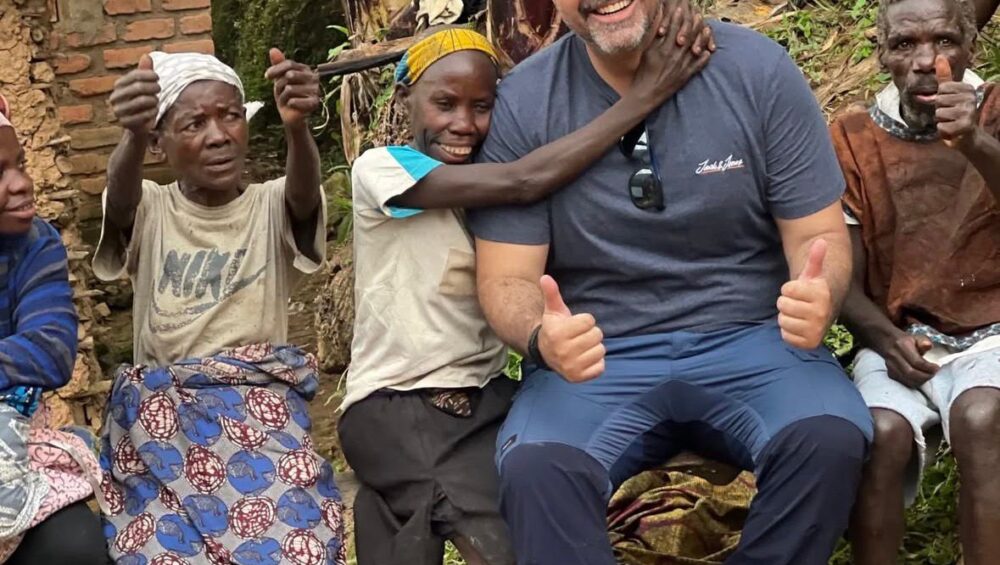
Long before Uganda’s rainforests were gazetted as national parks, the Batwa people lived in deep harmony with the mist-covered forests of southwestern Uganda. Often referred to as the keepers of the gorilla forest, the Batwa Pygmies are among the oldest indigenous communities in East Africa. Their story is inseparable from Bwindi Impenetrable Forest and Mgahinga Gorilla National Park today world-famous sanctuaries for endangered mountain gorillas.
To understand gorilla conservation in Uganda, one must first understand the Batwa.
Who Are the Batwa Pygmies?
The Batwa are traditionally forest hunter-gatherers who depended entirely on the rainforest for food, medicine, shelter, and spiritual identity. For thousands of years, they lived sustainably alongside wildlife tracking small game, harvesting wild honey, and using medicinal plants without exhausting the forest.
Unlike modern conservation models, Batwa forest management was guided by knowledge passed orally from elders to youth. Every tree, animal, and cave held meaning. Gorillas were not trophies or attractions, but respected neighbors within a shared ecosystem.
The Batwa and the Gorilla Forest
Bwindi and Mgahinga were not just forests to the Batwa they were home. The Batwa understood gorilla behavior, seasonal movements, and feeding patterns long before scientific research began. Their presence did not threaten gorillas; instead, it helped maintain balance within the ecosystem.
When the forests were declared protected areas in the 1990s to conserve mountain gorillas, the Batwa were evicted without land compensation. This sudden displacement severed their cultural and spiritual connection to the forest, pushing many Batwa families into extreme poverty.
Yet despite this painful history, the Batwa remain deeply connected to gorilla conservation today.
Culture, Knowledge, and Spirituality
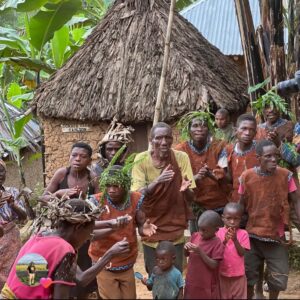
Batwa culture is rich with storytelling, music, and dance that reflect forest life. Songs imitate birds and animals; dances echo hunting rituals and celebrations of harvest. Elders share legends explaining the origin of gorillas, caves, and sacred trees.
Key cultural elements include:
- Traditional hunting techniques using bows and plant-based traps
- Forest medicine knowledge still valued by herbalists today
- Sacred caves used for rituals and spiritual gatherings
- Community storytelling as a way of preserving history
This knowledge, once overlooked, is now increasingly recognized as vital to conservation and cultural preservation.
The Batwa Experience: Cultural Tourism with Purpose
Today, visitors to Bwindi and Mgahinga can participate in guided Batwa cultural experiences. These are not performances, but storytelling journeys led by Batwa guides who share their lived history.
A responsible Batwa experience may include:
- Guided forest walks explaining traditional survival skills
- Demonstrations of fire-making and hunting tools
- Traditional songs and dances
- Visits to sacred sites and caves
When managed ethically, Batwa tourism provides income, dignity, and a platform for Batwa voices—while educating travelers about conservation beyond wildlife alone.
Why the Batwa Matter to Conservation
True conservation is not only about protecting animals it is about respecting people. The Batwa remind us that forests thrive when indigenous knowledge is valued.
Supporting Batwa-inclusive tourism and community projects:
- Encourages sustainable livelihoods
- Preserves endangered cultural heritage
- Strengthens long-term gorilla conservation
- Promotes responsible travel in Uganda
Gorillas survived in Bwindi partly because the Batwa lived there responsibly for generations.
Responsible Ways to Support the Batwa
Travelers and organizations can make a positive impact by:
- Choosing Batwa-led cultural experiences
- Booking tours with responsible local operators
- Supporting community education and craft initiatives
- Learning and sharing Batwa history respectfully
Ethical tourism ensures that conservation benefits both wildlife and the people who once protected it naturally.
Conclusion: Keepers of the Past, Partners of the Future
The Batwa Pygmies are not relics of the past they are living custodians of forest wisdom. As Uganda’s gorilla tourism continues to grow, integrating Batwa voices into conservation and tourism is not optional; it is essential.
Honoring the Batwa means honoring the forest itself.